
Making a bonsai potting mix is quite simple. Start by mixing equal parts of coarse-grain soil and organic matter. This will create a high-drainage, low-fertility environment that is ideal for most bonsai trees. You can also add things like gravel or sand to the mix to help with drainage and aeration. Some gardeners may choose to add certain fertilizers such as slow release fertilizer to increase the nutrient content of the soil. Once you have mixed all ingredients together well, you’re ready to start using your homemade bonsai potting mix.
Contents:
- Understanding Bonsai Soil Composition
- Choosing the Right Ingredients for Your Mix
- Essential Components for a Balanced Bonsai Potting Mix
- Mixing Techniques: Finding the Perfect Blend
- Measuring Quality and Texture of Your Mix
- Tips for Maintaining Moisture Balance in Your Potting Mix
- Advantages of Making Your Own Bonsai Potting Mix
Understanding Bonsai Soil Composition
One of the most crucial components of a successful bonsai potting mix is understanding what makes up its soil composition. Knowing about the minerals, texture, and levels of moisture in your mix can directly impact how healthy and vibrant a bonsai tree looks.
In order to create an effective soil mixture for bonsai, it’s important to consider the ratio between drainage material, organic material and loam. Drainage material helps ensure that water does not become stagnant when placed around delicate roots; this could lead to issues with root rot or overwatering – both detrimental to bonsais’ health. Organic material gives necessary nutrition such as nitrogen, potassium, and phosphorous which are necessary for strong tree growth. Loam helps keep the soil together while adding calcium and magnesium (essential nutrients) into the mixture while keeping adequate air ventilation in-tact between particles throughout all layers of a potting mix.
Understanding where each component comes from is also key to creating an ideal environment for a Bonsai tree – sources such as Sphagnum peat moss provide enough acidity whereas bark chips offer excellent aeration properties at any depth within a potting mix. Charcoal allows essential moisture retention by helping reduce large amounts of decomposition that may occur after consistent watering over time. All these ingredients work together synergistically giving you precise control over pH levels within your soil composition – ensuring your bonsais receives only the best possible environment.
Choosing the Right Ingredients for Your Mix
Creating the perfect potting mix for your bonsai tree is an important step in its growth and development. The right ingredients can lead to bigger, stronger roots and branches with plenty of lush foliage. To get started, first make sure you have all the necessary components. A good mix should contain peat moss, perlite or pumice, coarse sand, compost such as worm castings or manure, and trace elements like ground lava rock or azomite.
Peat moss is great because it has a high water-retention rate while still allowing excess moisture to escape. You’ll also want something that helps keep the mix light and airy–that’s why it’s essential to include either perlite or pumice in your blend. Coarse sand provides excellent drainage properties while helping to reduce compaction in wet conditions.
Adding a nutrient rich compost aids root development by supplying beneficial microorganisms that can help maintain a healthy soil structure–worm castings are especially effective because they boost root systems with their slow release of nutrients over time; aged cow manure can be another viable option too. Trace elements like ground lava rock and azomite provide extra minerals for better uptake of nutrients by plant material so don’t forget them! Once you’ve collected all these items together, it’s time to begin building your own custom mix specifically tailored for optimal bonsai health.
Essential Components for a Balanced Bonsai Potting Mix
When it comes to successful bonsai growing, the key is in ensuring that the potting mix contains all of the necessary components. A balanced bonsai potting mix should consist of materials like peat moss and perlite or vermiculite which provide aeration and prevent compaction. Compost or aged manure will provide some slow release nutrition, as well as help retain moisture; however these ingredients can easily become soggy, so they should be blended with an absorbent material such as sand or diatomaceous earth. Akadama is a popular soil choice for Bonsai due to its ability to hold water without becoming too wet or dry and allowing oxygen to penetrate through its light consistency. To balance out any drainage problems, a small amount of slow-release fertilizer should be added into the mix. Bark chips are often used because they help buffer root growth from sudden temperature changes while also promoting root tips exploration within the limited space of pots.
All things considered, when creating a mixture for your Bonsai trees make sure you research well since some ingredients may be dangerous for your plant if not used properly. Always use fresh materials – even those with long shelf life – since older mixtures might contain unhealthy organisms that could cause damage over time. Furthermore remember that what works in one species may not work with another so tailoring each blend to suit individual plants needs is essential for achieving high quality results in terms of health and aesthetics.
Mixing Techniques: Finding the Perfect Blend
When it comes to making a bonsai potting mix, finding the right balance of ingredients is essential. It’s important to ensure that the proportions are just right for optimal growth and health of your bonsai tree. The ratio of components in a potting mix can vary depending on the species of tree you’re growing, as well as its size and age.
The first step to take when creating a blend for your bonsai is to acquire two main types of materials: an organic component like sphagnum peat moss or composted bark, and a mineral component such as perlite, vermiculite or pumice. As these products come in dry form, adding water to achieve the correct consistency prior to use is recommended. Mixing both components thoroughly will result in an even distribution throughout the soil which will allow air and water circulation while supplying necessary nutrition for roots.
Nutrients should also be considered when constructing a potting mixture; this includes fertilizers like bone meal and other organic supplements like seaweed extract. Adding small amounts at regular intervals over time helps trees reach their full potential; if any nutrient-related issues appear then supplementation may need adjustment accordingly. Ultimately each variety requires different requirements so trial-and-error testing may be needed before settling on the ideal combination for your specific tree species.
Measuring Quality and Texture of Your Mix

Creating a great bonsai potting mix requires consideration of several key elements. To ensure the desired quality and texture of your mix, you must measure how much soil, perlite or vermiculite, organic matter and water are needed for your recipe. The importance of measuring each element accurately cannot be stressed enough as it will provide consistency across batches of your bonsai potting mix.
Perlite or vermiculite is best for providing adequate aeration to the roots in combination with other constituents such as peat moss and akadama which helps hold moisture and nutrients for faster absorption by the tree’s root system. Measuring perlite or vermiculite is essential to obtain an ideal aggregate size that provides a balance between allowing excess water to drain from the soil while still holding some within it.
Organic matter also needs accurate measurement when crafting a high-quality bonsai potting mix since it contains important minerals that help facilitate better nutrient uptake by the tree’s roots. Composted bark is another popular additive but too little would not provide enough nutrition while too much could lead to clumping which limits drainage and restricts oxygen intake causing root damage in extreme cases. When preparing your bonsai soil, precise measurements can make sure it has an optimal amount of composted bark incorporated into its overall composition to ensure successful growth and healthful development of your trees over time.
Tips for Maintaining Moisture Balance in Your Potting Mix
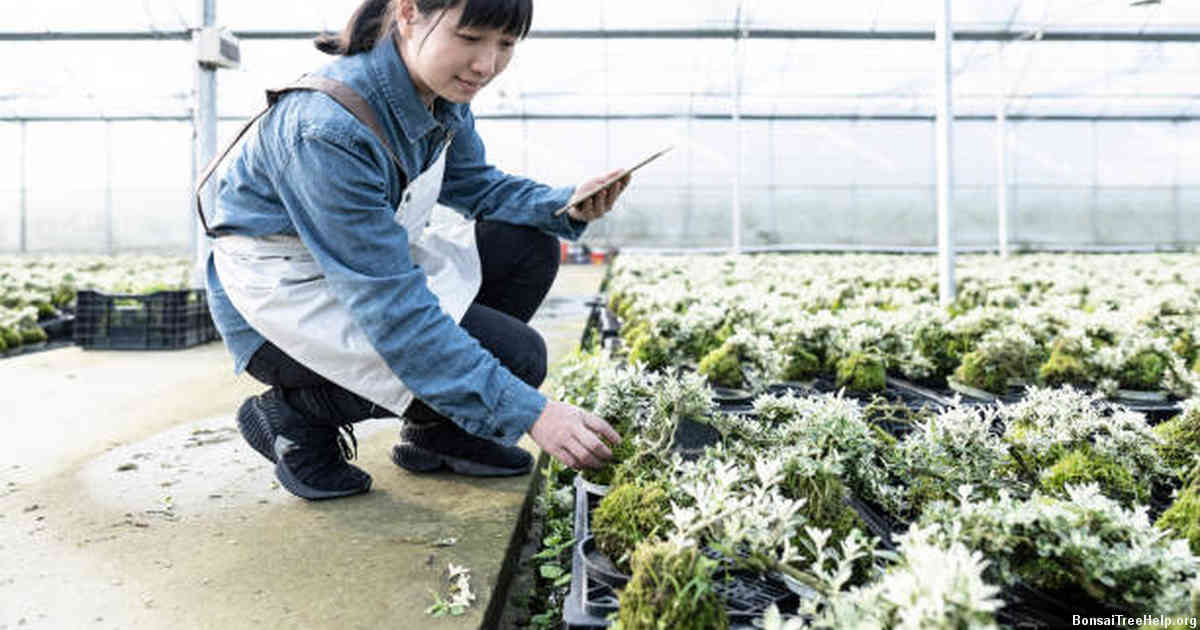
Creating a bonsai potting mix that has the right balance of moisture for optimal plant health is an important step in caring for your bonsai trees. Unfortunately, it can be challenging to achieve and maintain this desired balance, but with a few tips you can make sure your soil will stay healthy and support successful growth.
An important factor to consider when trying to create a balanced environment for your plants is drainage. Your potting mix needs to have enough organic material and other ingredients to help retain moisture while also ensuring water drains out quickly enough so that the roots don’t become overly saturated. You should aim to provide adequate drainage by adding items such as perlite, pine bark or horticultural charcoal into your mix if needed.
Aside from having proper drainage, monitoring pH levels can also help ensure you get an ideal amount of moisture retention in your soil. It’s best to check pH levels regularly, especially if you are seeing problems like discoloration or drooping leaves on your tree. Generally speaking, most bonsai soils require higher acidity than regular garden soil so testing pH can reveal whether additional elements need adjusting in the potting mix for optimum results.
Advantages of Making Your Own Bonsai Potting Mix
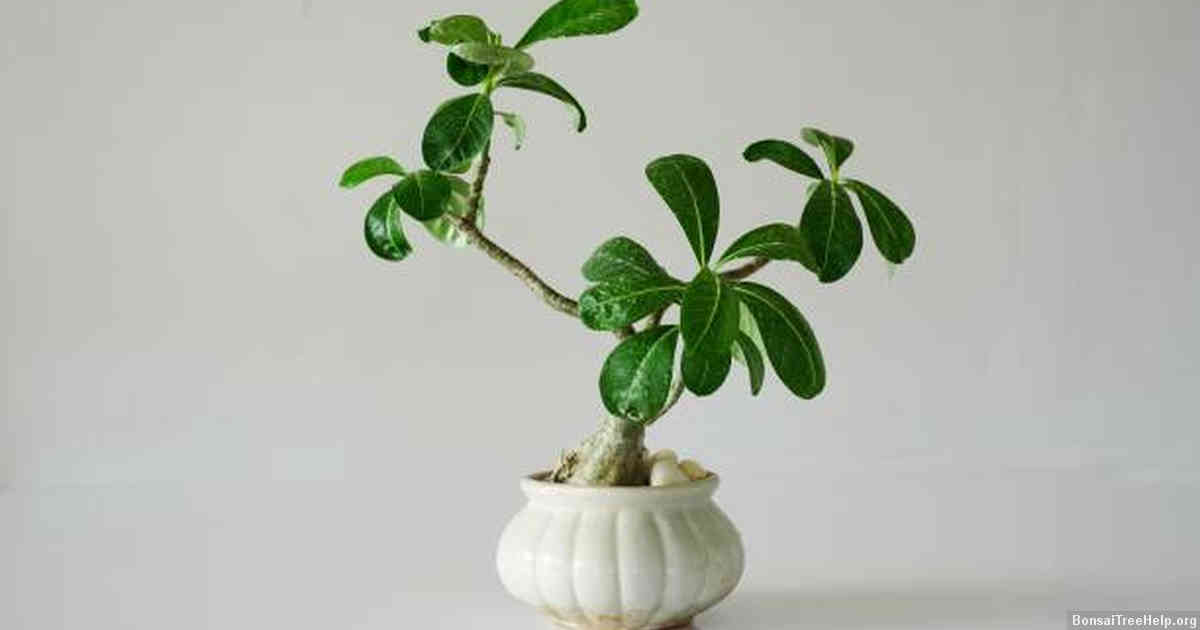
Creating a bonsai potting mix from scratch is undoubtedly an incredibly satisfying experience. Not only does it give you the opportunity to craft an ideal mix tailored to your plant’s needs, but there are numerous other benefits that come with taking this approach.
First of all, crafting your own bonsai potting mix ensures that you know exactly what ingredients have gone into it. Unlike store-bought mixes which often contain synthetic fertilizers or other potentially harmful chemicals, making your own allows you to use natural components and rest easy knowing that the mixture won’t be potentially damaging to your beloved bonsai tree. Organic ingredients like sand and compost not only provide essential nutrition for the tree but are also generally easier on the environment than their synthetic counterparts.
Moreover, preparing your own potting mix gives you more control over its texture and consistency than purchasing a pre-mixed option would. By experimenting with various blends of organic materials such as peat moss, perlite and vermiculite, you can create a mixture that suits both yours and your tree’s preferences in terms of drainage, aeration, porosity etc. Allowing for optimal growth conditions. This flexibility makes DIY mixing great for growers who have finicky trees or those looking to accommodate changing environmental factors as time goes by.
Leave a Reply